Why Hyundai Car Key Replacement Is More Involved Than It Looks
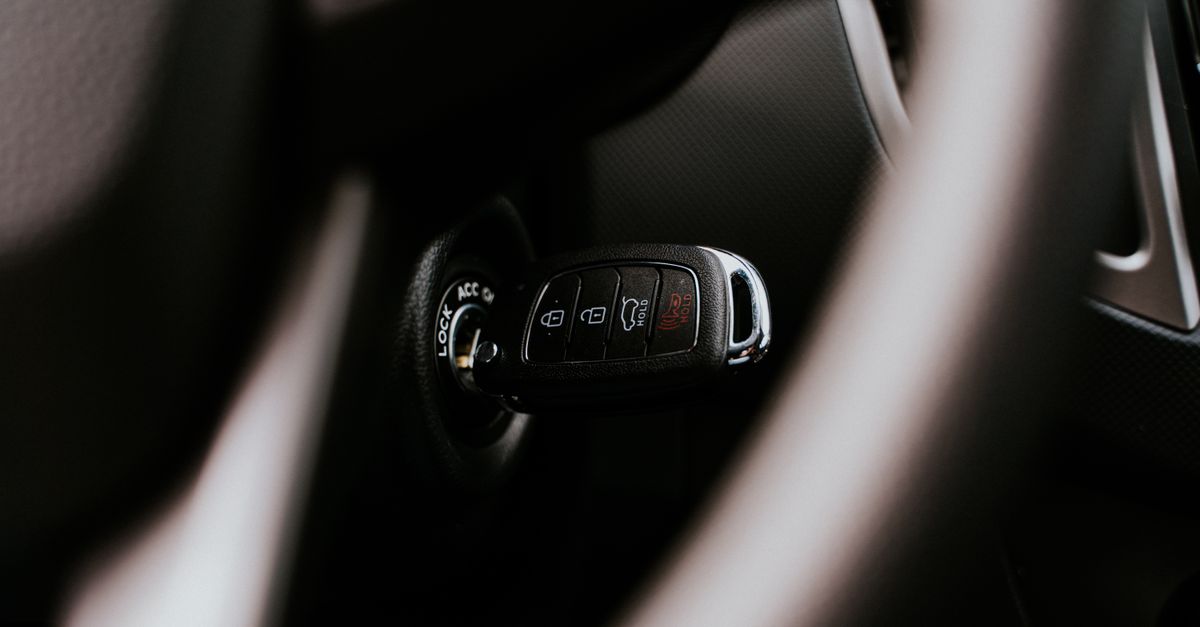
Modern Hyundai vehicles use one of three key types, and which type your car uses determines everything about the replacement process. Older models — roughly pre-2009 — may still use a basic transponder key: a metal blade with a small chip embedded in the plastic head. The chip must be programmed to your vehicle's immobilizer or the car will crank but not start. Mid-range and current Hyundai models, including most Elantra HEV and Santa Fe trims, use a flip key fob or a proximity smart key. Smart keys, sometimes called push-to-start fobs, communicate with the car continuously via a rolling encrypted signal — they cannot be cloned at a kiosk or copied at a hardware counter. Each replacement requires a technician with the right OBD-II programming interface, the correct key blank sourced for your specific Hyundai trim, and the time to verify that the new key is fully recognized by the vehicle's immobilizer module.
This is also why the dealership route, while valid, is often slower and costs more than you might expect. Dealers frequently order parts, require your vehicle to be towed to their service bay, and carry overhead that independent shops do not. Our mobile team brings everything needed to your parking lot, your driveway on Elm Street, or the side of River Edge Road — cutting and programming your replacement key on-site. Before any work begins, we confirm an exact up-front price with you, so there are no surprises when the job is done. The final quote reflects factors including your specific Hyundai model and key type, the time of day, travel distance to your location, and the parts required for your trim level.