
Access Control Fobs and Keypads: What the Installation Actually Involves
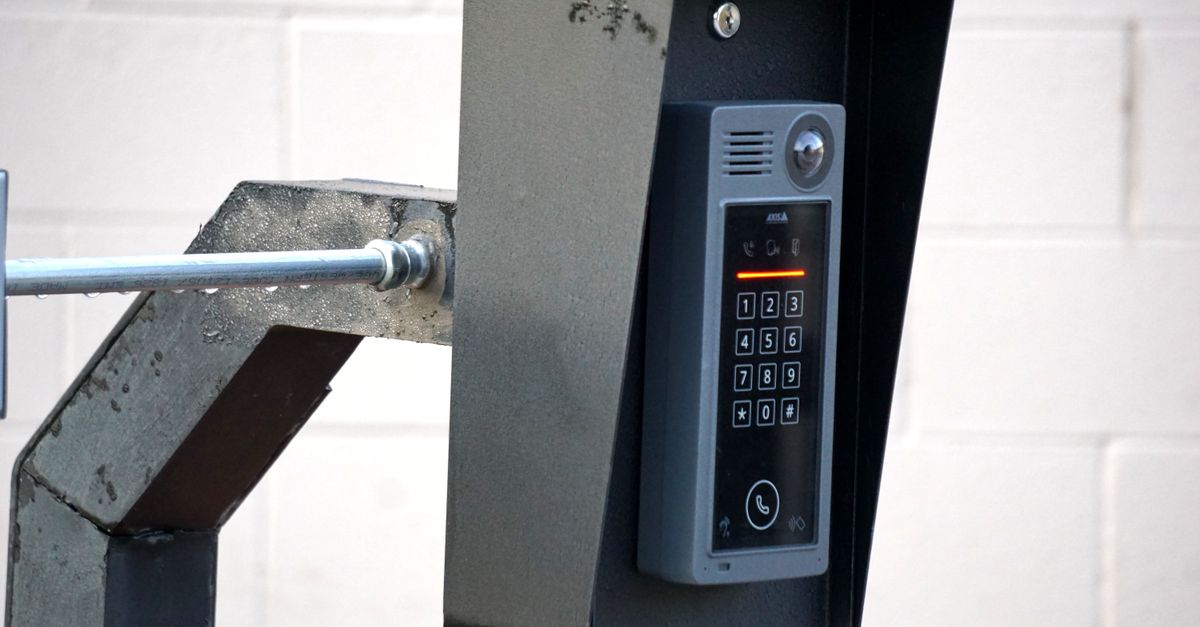
Programming card, fob, and keypad entry is not simply mounting hardware to a door and walking away. A complete access control system installation begins with a physical assessment of the door, frame, and existing lock hardware. For most commercial applications, this means integrating the electronic credential reader — whether proximity card, RFID fob, or PIN keypad — with a high-security mortise lock body. The access control mortise lock is the mechanical backbone of the whole system: it sits inside the door edge rather than surface-mounting, which means it is far more resistant to forced entry and far better suited to high-traffic commercial doors than a standard cylindrical lockset. Our technicians select, cut, and fit the mortise lock to the door, then connect the electronic strike or electrified lock body to the access control panel, ensuring the wiring is routed cleanly and the fail-safe or fail-secure behavior is set correctly for your occupancy and fire-code requirements.
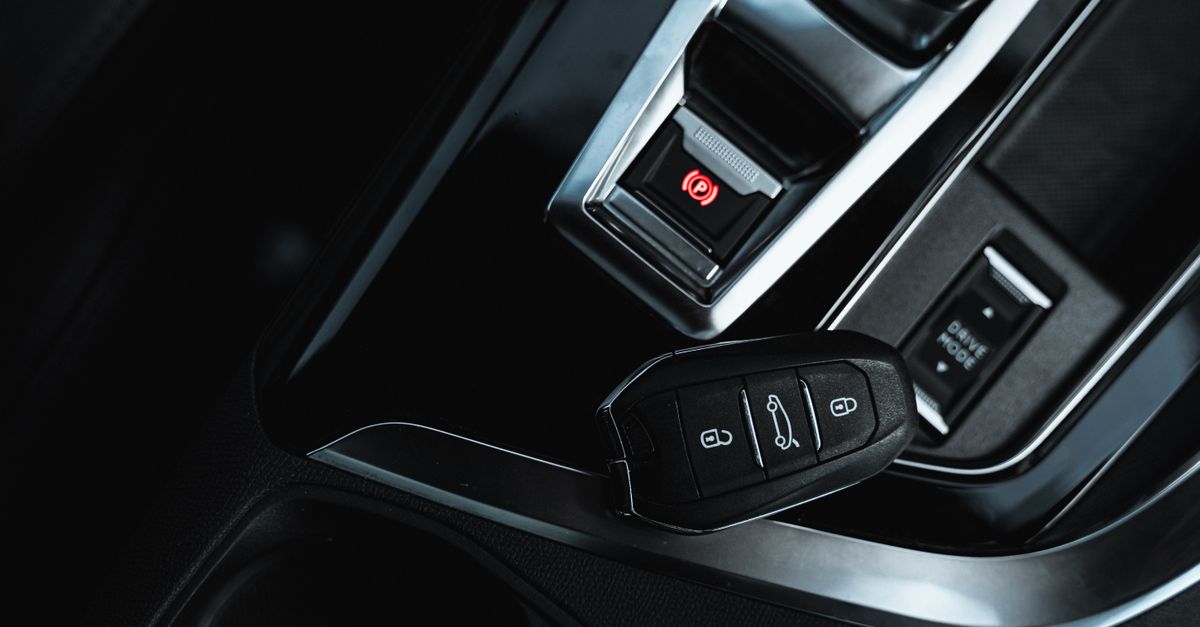
From there, credential programming begins. Fobs and cards are enrolled into the system controller, assigned to individual users, and organized into access schedules — so a front-desk employee can enter during business hours while a facilities manager retains round-the-clock access. Keypads are programmed with unique PINs per user where the hardware supports it, making it straightforward to delete a code the moment an employee leaves without changing locks or rekeying cylinders. This is especially practical for New Milford businesses that see seasonal staff turnover or share a building with other tenants.