New Milford Locksmith Service Team
Local locksmith team
Apr 24, 2026 10 min read
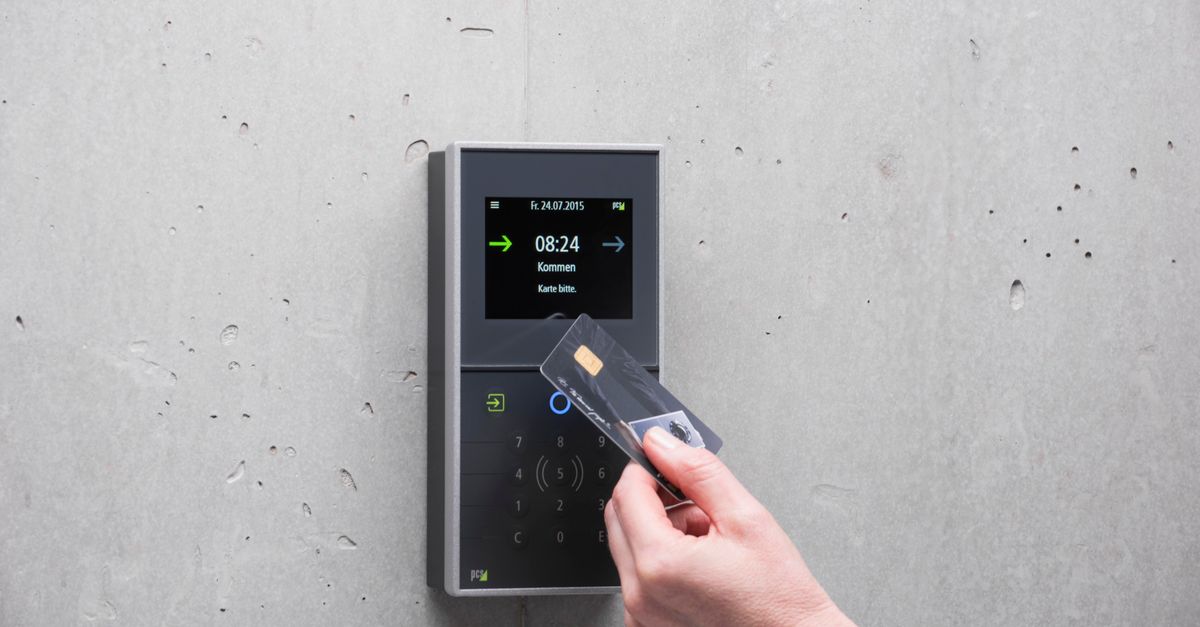
Running a shop or office on Main Street in New Milford — or anywhere along the River Road corridor — means juggling a lot: inventory, staff schedules, customer flow, and the endless question of who should have access to which door at which time. Most small-business owners end up handing out a different key for every lock, and before long someone is carrying a janitor's ring that would impress a medieval castle keeper. A master key system solves that problem elegantly, and a skilled commercial locksmith can design and install one around the exact layout of your space.
This guide breaks down exactly how master keying works, which lock types support it (the mortise lock is the workhorse of any serious system), how to think through your access tiers before calling us, and what to watch out for when a business claims to offer instant key copying at a self-serve kiosk. By the end, you will have a clear picture of what to ask for and why a professionally designed system is worth every conversation it takes to set up.
## How a Master Key System Actually Works — Starting with the Mortise Lock
A master key system is a keying hierarchy, not a single magic key. At the base level, each individual key opens exactly one door — the staff restroom, the back stockroom, the manager's office. One level up, a sub-master key opens a defined group of those doors, say every door on the ground floor but not the server room upstairs. At the top sits the grand master key, which opens every lock in the building. The whole structure is engineered into the pin stacks inside each lock cylinder, where additional 'master wafers' create secondary shear lines that respond to a second key cut pattern.
The mortise lock is the foundation most commercial locksmiths recommend for this kind of system. Unlike a standard door knob lock or a cylindrical deadbolt, a mortise lock sits inside a pocket (or mortise) cut into the door edge. It combines a latch, deadbolt, and sometimes a privacy function in one heavy steel case, and its cylinder is replaceable without disturbing the hardware — which means you can rekey or upgrade a single entry point without pulling the entire door assembly. For a New Milford retail space or a professional office suite, that modularity is a genuine time and cost saver every time staff turnover or a tenant change requires an access update.
## Mapping Your Access Tiers Before the Commercial Locksmith Arrives
Before a commercial locksmith can design your system, you need a simple access map — a drawing or even a handwritten list that answers three questions for every door: who needs to open it daily, who needs occasional access, and who should never have access at all. A dental office might decide that the front door, the waiting room, and the break room form one tier for all staff, while the drug cabinet and the business manager's office form a separate tier accessible only to two people. A warehouse might separate shipping dock access from administrative areas entirely.
Once you have that map, the locksmith can assign cylinder specifications so that the cut patterns work together mathematically. This is not guesswork — it is a precise engineering step, and doing it wrong means keys that open doors they should not, or master keys that fail to open doors they should. Walk through the space yourself first, note every lockable door (including interior doors people forget about, like utility closets), and decide which staff roles — not which individual people — belong to each tier. Roles change less often than people, which keeps your system stable longer. If you want to get started on your layout before calling us, jot down your floor plan and role list now, then call 201-298-9122 and we will take it from there.
## Mortise Lock Installation and the Door Knob Lock Question
A common moment of sticker shock happens when a business owner realizes their existing door knob locks are not compatible with a master key hierarchy deep enough for their needs. Standard cylindrical knob sets can support simple two-level master keying, but they have physical limits on how many levels and how many keys can coexist before security degrades. A mortise lock, by contrast, uses a longer cylinder with more pin chambers, which gives the locksmith far more mathematical combinations to work with across a large system.
When we assess a commercial property, we look at the door thickness, the frame condition, the existing prep (the cutout in the door edge), and what the door is made of — solid wood, hollow core, aluminum storefront, or steel — before recommending any hardware. Installing a mortise lock into a door not prepped for it requires careful woodworking or metal work, and doing that correctly is what separates a long-lasting installation from one that rattles loose in six months. We also check whether existing door knob lock hardware on interior doors is worth rekeying into the system or whether replacement makes more practical sense given the age and wear of the hardware.
## What Kiosk Key Copying Cannot Do — and When to Call an Emergency Locksmith
You may have noticed self-serve key copying kiosks inside some grocery stores and big-box retailers. Some operate under names that suggest broad capability, promising to copy home keys, office keys, car keys, access cards, and fobs in minutes. For a simple house key duplicate as a spare for a family member, that convenience is real. But a kiosk has hard limits that matter enormously for a business owner thinking about access control.
First, a kiosk cannot cut restricted or patent-protected keyways — the very keyways used in most commercial master key systems — because those blanks are intentionally not available on the open market. If your system uses a restricted keyway, unauthorized duplicates simply cannot be made without the authorization card issued when the system was installed, which is one of the primary security benefits you are paying for. Second, a kiosk cannot rekey a cylinder, assess whether your door frame is aligned, diagnose a failing mortise lock mechanism, or respond when you are locked out of your own building at 11 p.m. on a Tuesday. For all of that, you need a trained locksmith who shows up in person. Our team is available around the clock — call 201-298-9122 any time, day or night, and we will dispatch to your location.
## What Determines the Cost — and What to Expect from a Qualified Locksmith New Milford Visit
One of the most common search questions we see is some version of 'How much does a local locksmith charge?' or 'How much does a locksmith cost in NJ?' or even 'How much is a door lock repair?' The honest answer is that the final number depends on several distinct factors, and any locksmith who quotes a flat price without knowing those factors is guessing. Here is what actually drives the cost of a commercial locksmith job: the type and brand of hardware needed (a Schlage mortise lock cylinder costs more than a basic knob set, for example), the number of doors being keyed into the system, the complexity of the access tier structure, whether existing doors need to be prepped or modified to accept new hardware, travel distance from our base to your location, and the time of day for emergency calls outside normal business hours.
We confirm an exact price before any work begins — no surprises after the job is done. On the question 'How much should an emergency locksmith cost?' — emergency service, meaning a call outside of standard hours or a response to an urgent lockout, typically reflects the time-of-day factor, but we will tell you the number before we start. New Milford sits in Bergen County, and the businesses here range from small professional offices near New Milford Avenue to retail storefronts and light commercial spaces throughout town. Whatever your setup, we will assess it on-site and give you a clear, specific quote. We are insured, experienced, and familiar with the commercial door hardware common in this area's building stock.
## Our Full Range of Services for New Milford Businesses and Residents
We are a 24/7 mobile locksmith serving New Milford and the surrounding Bergen County area. Here is a specific look at what we handle: master key system design and installation, mortise lock installation and repair, mortise lock cylinder rekeying, commercial deadbolt installation, door knob lock replacement and rekeying, high-security restricted keyway systems, access control system installation, electronic keypad lock installation, panic bar and exit device installation, storefront door lock service, key duplication for standard and commercial keyways, lock-out response for businesses and residences, safe opening and combination changes, mailbox lock replacement, file cabinet lock repair, desk lock rekeying, residential deadbolt installation, sliding door lock repair, window lock installation, car lockout response, transponder key programming, car key cutting, ignition lock cylinder repair, broken key extraction (door and ignition), lock re-pinning for tenant turnover, door frame and strike plate reinforcement, padlock replacement for storage units and gates, intercom and buzzer-integrated lock service, and lock health assessments for lease renewals or security audits.
Frequently asked questions
What proof do you need for a locksmith before they will work on my business?+
This is a legitimate and important question, and any qualified locksmith should ask for it. For a commercial property, we typically verify that the person requesting service has authority over the space — that means a business license, a lease agreement, a utility bill in the business name, or a government-issued ID that matches the business address. For a vehicle, registration or title in your name is standard. We ask because verifying ownership protects you, us, and the security of the property. If a locksmith skips this step entirely, that is a red flag, not a convenience.
Is New Milford, NJ a good fit for a master key system, or is it mainly for larger buildings?+
Master key systems scale down very well and are genuinely useful for small businesses. A two-door New Milford Avenue boutique with a back office and a stockroom can benefit from a simple two-level system just as meaningfully as a multi-suite office building. The real value is not the size of the building — it is the clarity of access control. If you ever hand a key to an employee and feel uncertain about which other doors that key might open, a master key system is worth exploring regardless of how small your space is.
How much does a locksmith cost in NJ for a mortise lock repair versus a full system install?+
The two jobs are very different in scope, so the cost factors differ accordingly. A mortise lock repair — fixing a jammed latch, replacing a worn cylinder, or realigning a strike plate — involves parts specific to that lock's brand and model, the labor to disassemble and service the unit properly, and travel to your location. A full master key system installation adds the design work, the number of cylinders being keyed together, any hardware upgrades needed across multiple doors, and potentially restricted keyway blanks if you want a duplication-protected system. We assess both on-site and give you a confirmed price before anything is touched.
Can a kiosk key copy work inside a master key system?+
Not for the restricted keyways that make a master key system secure. Commercial master key systems are designed around keyways that are controlled — meaning the key blanks are not available at retail or at self-serve kiosks. That restriction is intentional: it prevents unauthorized duplication, which is a core part of the security value. If you have a master key system with a standard, uncontrolled keyway, a kiosk might technically cut a copy that fits, but it would not carry the authorization controls built into a properly managed system. For any key that is part of a commercial access hierarchy, have duplicates cut by the locksmith who manages the system and keep your authorization documentation current.