New Milford Locksmith Service Team
Local locksmith team
Jun 19, 2026 10 min read
If you live near River Road or anywhere along New Milford's older residential streets, you've probably noticed that most front doors carry at least two locks — a door knob lock and a deadbolt. But plenty of homeowners in the area are still relying on just one of those, unsure whether upgrading or replacing the other is actually worth it. This guide breaks down how each lock type works, where each one falls short, and what your front door genuinely needs to keep your home secure.
The short answer: a door knob with lock alone is not enough for a front entry door, and a deadbolt without a proper latch is awkward to use daily. The right setup usually combines both — but the quality, installation, and hardware type matter far more than most people realize. Let's walk through the real differences so you can make a confident, informed decision.
## What a Door Knob Lock Actually Does — and Where It Falls Short
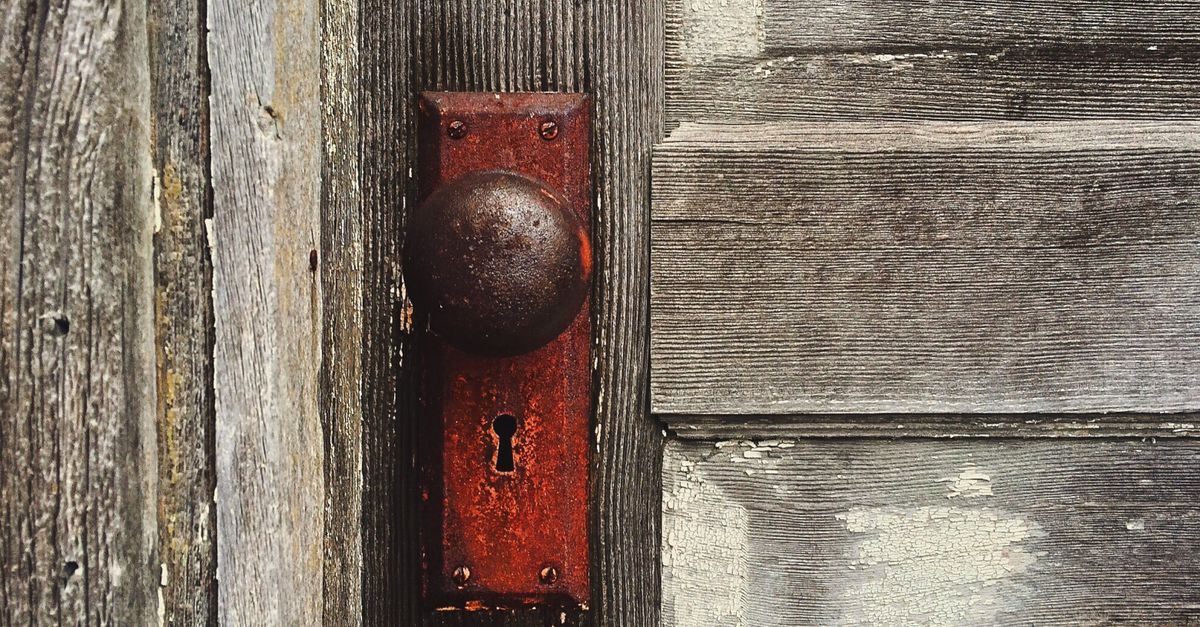
A door knob lock, sometimes called a knob lock, works through a spring-loaded latch bolt that retracts when you turn the knob and extends automatically when the door closes. That spring mechanism is the key detail: it means the latch can be retracted without a key if the knob itself is forced, shimmed, or the door frame gives way under lateral pressure. The lock lives inside the knob cylinder, which is one of the smallest and most exposed lock formats in residential hardware. For interior doors — a bedroom, a home office, a bathroom — a door knob with lock is perfectly appropriate. It controls access and provides basic privacy. Many homeowners also use a door knob with lock and key on side entrances or back doors where foot traffic is low.
But on a primary entry door facing a street or shared driveway, a knob lock by itself is a real vulnerability. An experienced person who knows how to exploit a spring latch doesn't need specialized knowledge — a credit card or thin tool is sometimes enough. That's not a tutorial on how to pick a door knob lock; it's a reason to understand why the hardware category was never designed as a primary security device. Think of the knob lock as a convenience latch, not a security anchor. It tells the door to stay shut. The deadbolt is what actually keeps it that way.
## Deadbolts: The Security Standard Your Front Door Needs
A deadbolt operates on an entirely different mechanical principle. Instead of a spring-loaded latch, it uses a solid steel bolt that you manually extend and retract with a key or thumb turn. Because it requires deliberate operation and throws a full inch or more of hardened steel into the door frame's strike plate, it resists the shimming and lateral-force attacks that defeat a knob lock. A properly installed single-cylinder deadbolt — keyed on the outside, thumb turn on the inside — is the baseline security standard that locksmiths and security professionals recommend for every exterior door. If your front door has only a lock door knob and no deadbolt, upgrading is one of the highest-return home security investments you can make.
That said, a deadbolt is only as strong as its installation. A deadbolt set into a weak door frame, using a flimsy strike plate with short screws, loses most of its advantage. When our team installs or upgrades a deadbolt in the New Milford area, we assess the door frame, the strike plate depth, and the alignment before recommending hardware — because a premium lock on a compromised frame is money that doesn't protect you.
## Mortise Lock: The Professional-Grade Upgrade Worth Knowing About
If you're ready to go beyond the standard knob-and-deadbolt combo, a mortise lock is the option experienced locksmiths recommend for maximum front-door security. A mortise lock is a single integrated unit that fits into a rectangular pocket (the mortise) cut into the door edge. It combines a latch bolt, a deadbolt, and sometimes additional security features — all in one reinforced housing that's substantially harder to attack than surface-mounted hardware. You'll find mortise locks on upscale homes, older New Jersey brownstones, and commercial buildings precisely because the design distributes force across a larger door area and eliminates the weak-point geometry of separate bolt mechanisms.
Installing a mortise lock is not a DIY project — it requires precise routing, accurate measurements, and knowledge of door thickness and backset. A professional locksmith who specializes in mortise lock installation will evaluate your specific door before recommending a unit, because the wrong fit creates gaps that undermine the security benefit. If your home has an older, solid-wood door — common in New Milford's pre-1960s housing stock near Hackensack River neighborhoods — it may already be mortise-ready, and upgrading to modern mortise hardware could be one of the most effective security decisions you make. Call 201-298-9122 any time to ask our team whether your door is a good candidate.
## Choosing the Right Hardware: Factors That Actually Matter
Beyond the lock type, several practical factors determine which hardware is right for your front door. Door material matters: fiberglass and steel doors have different backset requirements than solid wood. Door thickness affects which lock cylinders fit correctly. The existing prep — the holes and cutouts already in your door — often dictates whether you can swap hardware without additional work. Grade ratings from the American National Standards Institute (ANSI) classify residential locks from Grade 3 (light duty) to Grade 1 (heavy duty commercial), and that grading directly reflects how many door-kick and wrench-attack cycles the lock is tested to withstand. A Grade 1 deadbolt paired with a Grade 1 or 2 knob lock is the recommended minimum for a front entry door.
Key control is another consideration many homeowners overlook. Standard door knobs with lock and key use common keyways that can be duplicated at almost any hardware kiosk — including self-service key kiosks inside retail locations. While convenient, that accessibility means copies of your key can be made without your knowledge. High-security cylinders with restricted keyways require authorization to duplicate, giving you meaningful control over who holds a working key. If you're rekeying after a move, a break-in, or a lost key, ask our team about cylinder options that match your security goals — we carry and install hardware from trusted manufacturers and can walk you through the trade-offs.
## When to Call a Professional Locksmith New Milford — and What to Expect
There are a few situations where calling a trained, experienced locksmith is the right move rather than attempting DIY fixes: you're locked out of your home, a lock is damaged or spinning freely, you've just moved into a property and want the locks rekeyed, or you want to upgrade to a mortise lock installation. In each of these cases, what you need is someone who can assess the door, recommend the right hardware, and install it correctly the first time. Our team serves New Milford and surrounding Bergen County communities as a 24/7 mobile locksmith, which means we come to you — no need to remove hardware and bring it somewhere.
When it comes to cost, there's no single flat number that applies to every situation. The factors that shape your quote include the type of lock involved, the complexity of the installation or repair, whether new parts are needed, the time of day you call, and travel distance to your location. We confirm an exact price before any work begins — no surprise charges after the fact. Whether you need a straightforward lock rekey, a deadbolt upgrade, a mortise lock installation, or emergency locksmith response at 2 a.m., the process starts with an honest assessment. Our team is insured and experienced across residential, commercial, and vehicle locksmith services throughout the New Milford area. For anything urgent or for a no-pressure consultation, call 201-298-9122 — we answer 24/7.
## 25+ Locksmith Services We Provide in the New Milford Area
Our mobile locksmith team handles a wide range of needs for homeowners, business owners, and drivers across New Milford and Bergen County. Residential services include: door knob lock installation and replacement, deadbolt installation and upgrade, mortise lock installation and repair, lock rekeying after a move or lost key, home lockout response, high-security cylinder upgrades, strike plate reinforcement, sliding door lock repair, window lock installation, master key system setup, and mailbox lock replacement. Commercial locksmith services include: commercial-grade deadbolt installation, office lock rekeying, access control system installation, panic bar and exit device installation, storefront lock repair, master key system design for multi-tenant buildings, and file cabinet or safe lock service. Vehicle locksmith services include: car lockout response, transponder key programming, car key replacement, ignition repair and replacement, key fob programming, and motorcycle key cutting. We also offer emergency locksmith response 24 hours a day, 7 days a week, for lockouts and urgent security situations — residential or commercial. Every service call begins with a clear, upfront price confirmed before we start any work.
Frequently asked questions
How much does a locksmith cost in NJ, and how is the price determined?+
There is no single fixed price for locksmith services in New Jersey — the final quote depends on several specific factors: the type of lock or hardware involved (a basic knob lock rekey is a different job than a mortise lock installation), whether new parts are needed, the time of day you call (overnight emergency locksmith response involves different logistics than a scheduled daytime appointment), and the travel distance to your location. At New Milford Locksmith, we confirm an exact price before any work begins, so you always know what you're agreeing to.
What proof do you need for a locksmith to let you into your home?+
A reputable locksmith will ask for identification and evidence that you have a legitimate right to access the property before providing entry. In practice, that typically means a government-issued photo ID showing your name, and ideally something that connects you to the address — a piece of mail, a lease agreement, a utility bill, or a vehicle registration if you're locked out of a car. We follow this verification process on every lockout call as a standard practice that protects both homeowners and the integrity of the service. If you can't produce identification on the spot, our team will explain what we need before proceeding.
Is a door knob lock enough security for my front door, or do I need a deadbolt too?+
A door knob lock alone is not sufficient security for a primary entry door. The spring-latch mechanism in a knob lock is designed for convenience and basic privacy — it is not engineered to resist the types of force, shimming, or bypass methods that a determined person might attempt on an exterior door. A deadbolt adds a solid steel bolt that must be deliberately thrown and retracted, which is a fundamentally stronger design. The recommended minimum for any front entry door is a quality deadbolt alongside your knob lock. If you want the highest level of residential door security, a mortise lock — which integrates both functions in a reinforced single unit — is worth asking a professional locksmith to assess for your specific door.
How much does a local locksmith charge for a lock door knob repair or replacement?+
The cost of a lock door knob repair or replacement depends on a few specific variables: whether the lock needs to be repaired versus fully replaced, the grade and type of hardware selected (a basic residential knob lock uses different components than a high-security or commercial-grade unit), whether rekeying is included, and any complications with the existing door prep or frame. Time of day and travel distance can also be factors. Rather than quoting a number that may not apply to your situation, we evaluate the job on-site and give you a confirmed price before any work starts. You're never committed to a cost until you've agreed to it.