New Milford Locksmith Service Team
Local locksmith team
Jul 17, 2026 11 min read

If you live in an older home along Elm Street, River Road, or any of the tree-lined blocks closer to the Hackensack River, there's a good chance your front door has a lock that looks and feels different from the simple knob-and-deadbolt combos you see on newer construction. It's heavier, more mechanical, and when it acts up — sticking mid-turn or refusing to latch properly — you quickly realize it's not something a trip to the hardware store will easily fix. That lock is almost certainly a mortise lock, and understanding what it is, how it works, and why older Bergen County homes are full of them can save you a real headache the next time something goes wrong.
This guide walks you through everything a New Milford homeowner should know about mortise locks: their anatomy, how they compare to the cylindrical locks on most modern doors, why they show up so often in pre-1970s housing stock across Bergen County, and what to do when yours needs service, replacement, or emergency attention. Whether you're dealing with a broken mortise lock cylinder, shopping for a mortise lock set for an exterior door, or you're simply locked out at midnight, the team at New Milford Locksmith is trained to handle every scenario — call 201-298-9122 any time, day or night.
## What Is a Mortise Lock — and How Does It Actually Work?
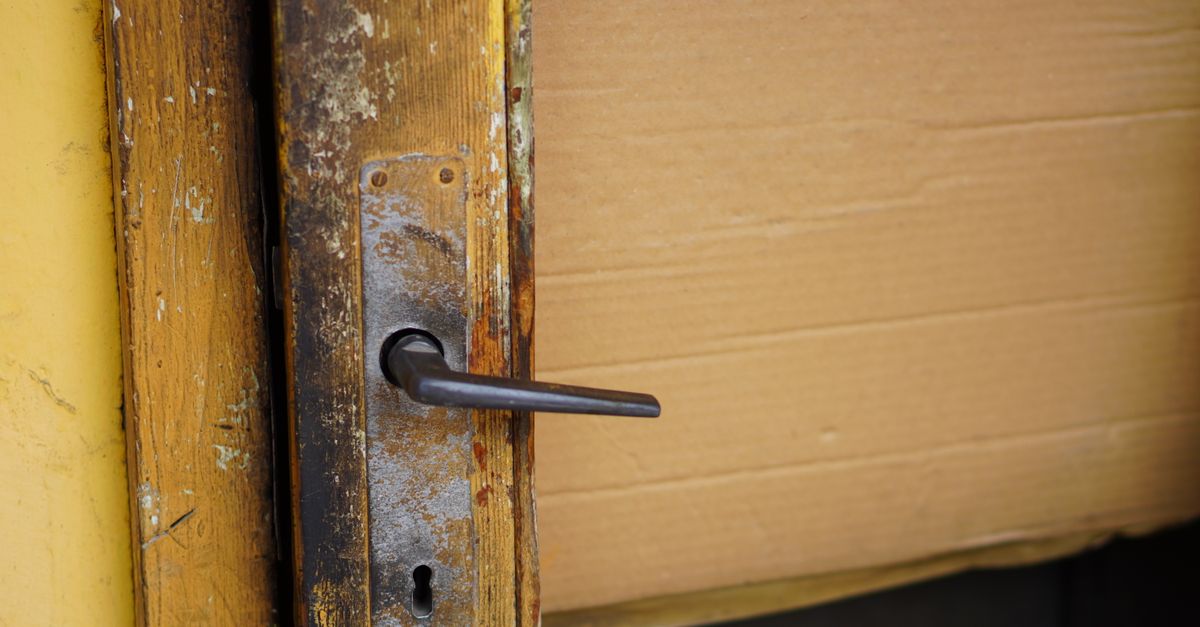
A mortise lock is a lock mechanism that is installed inside a deep, rectangular pocket — the 'mortise' — cut directly into the body of a door. Unlike a cylindrical lock, which is bored through the door face with a simple hole saw and sits mostly on the surface, a mortise lock is almost entirely concealed within the door. The entire lock set — latch bolt, deadbolt, strike plate interface, and internal cam mechanism — all live inside that pocket. What you see on the outside is a trim plate, a door knob with lock and key functionality, and sometimes a separate thumb-turn or lever. The result is a lock that is mechanically complex, extremely robust, and far more difficult to defeat through brute force than a surface-mounted cylindrical unit.
The mortise lock cylinder — the plug you insert your key into — is threaded into the face of the lock body and can typically be removed and replaced independently of the rest of the mechanism. This matters a lot for service calls: if only the cylinder is worn or damaged, a skilled locksmith can rekey or swap just that component without replacing the entire mortise lock set. Brands like Corbin Russwin and Baldwin built their reputations on mortise hardware that was designed to last decades, which is exactly why so many of these units are still in service in Bergen County homes built between the 1920s and the 1970s. A Baldwin mortise lock installed in 1955 and properly maintained is often still more secure than a brand-new big-box cylindrical lock.
## Why Older New Milford and Bergen County Homes Are Full of Them
New Milford incorporated as a borough in 1922, and a significant portion of its residential housing stock was built during the post-war construction boom of the late 1940s through the 1960s. During that era, mortise lock sets were the professional standard for exterior doors on quality residential and commercial construction throughout the northeastern United States. Building codes, contractor norms, and the available hardware all pointed toward mortise installation — cylindrical bored locks didn't become the dominant residential standard until manufacturers like Schlage and Kwikset aggressively marketed pre-packaged cylindrical sets to the booming suburban construction market of the late 1960s and 1970s. If your home predates that shift, your doors were almost certainly built around mortise hardware.
The deeper reason these locks survived is simply that they were built to outlast the homes themselves. A properly installed mortise lock set on an exterior door distributes stress across a much larger area of the door edge than a cylindrical lock does, making the door frame assembly significantly more resistant to kick-in attempts. That durability is a genuine benefit — but it also means that when something does go wrong after 50 or 60 years of use, the repair requires a locksmith who actually knows mortise mechanisms. If you're in a situation where your lock has failed and you need help now, don't wait — call New Milford Locksmith at 201-298-9122 and a trained technician will come to you.
## Mortise Lock vs. Cylindrical Lock: A Practical Comparison for Homeowners
The easiest way to understand the difference is to look at your door edge. A cylindrical lock shows a small, round latch face. A mortise lock shows a large, rectangular faceplate — sometimes four or more inches tall — that covers the entire lock body beneath. That faceplate is your first visual confirmation. Beyond aesthetics, the practical differences affect everything from how the lock feels to use, to how a locksmith services it, to how you'd go about replacing it if the time came.
Cylindrical locks are easier and faster to install and replace, which is why they dominate new construction and renovation projects where speed and standardization matter. But they are mechanically simpler, with fewer moving parts working in concert. A mortise lock set, by contrast, operates a latch and a deadbolt through a single integrated mechanism, often controlled by a single key turn — meaning less hardware on your door and fewer separate failure points on the exterior face. The trade-off is that mortise lock repair and installation requires more expertise and time. Factors that affect the final cost of a service call include the specific lock model, the parts needed, the time of day, and travel distance — our team always confirms an exact up-front price before any work begins, so there are no surprises.
## Common Mortise Lock Problems in Older Homes — and What a Professional Can Do
Sixty-year-old hardware is impressive, but it does wear. The most common issues our team sees on service calls to older New Milford homes include: a stiff or binding mortise lock cylinder that's difficult to turn, a latch bolt that no longer retracts smoothly, a cam mechanism worn to the point where the key turns but nothing engages, and misalignment between the lock body and the strike plate caused by decades of the door settling in its frame. In wood-heavy older homes — particularly the two-story colonials and cape cods common along the neighborhoods near Rt. 4 — seasonal wood movement alone can throw a mortise lock out of alignment without any mechanical failure at all.
What a qualified locksmith can do that a homeowner typically cannot: disassemble the mortise lock body from the pocket, clean and lubricate the internal mechanism, replace worn tumblers or the cylinder independently of the body, re-machine or shim the strike plate, and in cases of genuine failure, source a compatible replacement mortise lock set for an exterior door that fits the existing pocket dimensions. Re-using the existing pocket is almost always preferable to cutting a new one, and an experienced locksmith will measure carefully before recommending any hardware. For after-hours emergencies — a key snapped in the cylinder, a lock that simply won't open — New Milford Locksmith responds 24/7. We're a mobile team, which means a trained technician comes to your door with the tools and parts needed to handle mortise hardware on the spot.
## Upgrading, Rekeying, or Replacing Your Mortise Lock: What to Know Before You Decide
Homeowners sometimes ask whether they should just replace their old mortise hardware with a modern cylindrical setup. The honest answer is: it depends on the door. If your door was built around a mortise pocket, removing that mechanism and switching to a cylindrical lock often means patching a large rectangular void in the door edge and drilling new holes — work that affects the structural integrity of the door itself. In many cases, the better investment is rekeying the existing mortise lock cylinder to new keys, or replacing only the cylinder with a higher-security option, while leaving the proven mechanical body in place. If the body itself is too worn to service, sourcing a period-compatible mortise lock set — including quality brands still manufacturing to those specifications — keeps the door operating as it was designed to.
Rekeying is also the right move any time you move into an older Bergen County home and aren't certain how many copies of the existing key are floating around. Given the age of some of these properties and the number of previous owners they may have had, that's a genuine security consideration — not paranoia. Our team can rekey your existing mortise cylinder to a new key cut, rendering all previous keys useless, usually in a single visit. If you're curious whether your lock is a candidate for rekeying versus full replacement, or if you want an honest assessment of the condition of your hardware, call 201-298-9122 — we'll take a look and give you a straight answer before recommending any service.
## A Note on Kiosk Key Copying — and Why It Falls Short for Mortise Hardware
You may have seen self-service key copying kiosks — the kind marketed as being able to copy home, office, car, and fob keys right from a touchscreen — located inside grocery stores and similar retail locations. For simple modern house keys cut to basic profiles, these machines can be convenient. But mortise lock keys, particularly older Corbin Russwin, Baldwin, and similar profiles, are frequently proprietary or restricted cuts that kiosk machines are not equipped to duplicate. Attempting to copy a worn mortise key through an automated kiosk often results in a copy that looks right but doesn't operate the lock reliably, because the machine cannot account for the micro-wear on a 50-year-old key blank. Beyond that, these kiosks offer no ability to rekey a lock, assess mechanism wear, or handle any situation where the key or the lock itself is actually compromised. For anything involving genuine mortise hardware service, you need a trained locksmith with the right tools — not a retail kiosk.
The same logic applies to vehicle keys and fobs: modern car keys involve transponder programming and specialized cutting that no self-service kiosk can fully replicate for all makes and models. New Milford Locksmith handles vehicle locksmith services including transponder key programming, key fob replacement, car lockouts, and ignition work — all mobile, all on-site, any time of day or night. Whether it's your front door or your driveway, we bring the expertise to you.
Frequently asked questions
How much does a locksmith cost in NJ for mortise lock service, and what affects the price?+
There's no single flat answer because several variables shape the final quote: the specific mortise lock model and age, whether parts like a new cylinder or lock body are needed, the time of day (after-hours and overnight calls involve different logistics), and the travel distance to your location. What we commit to every time is confirming an exact up-front price before any work begins — no hidden fees added after the job is done. Call 201-298-9122 for a same-day assessment and honest quote.
What proof do you need for a locksmith to work on my home?+
Any reputable locksmith should verify that you have the right to access the property before beginning work. For a residential call, that typically means showing a government-issued photo ID that matches the address, and in some cases a utility bill, lease agreement, or deed. If you're a tenant locked out, having your lease handy helps. Our team follows this standard on every call — it protects you as the homeowner just as much as it protects us as service providers. We'll never begin work on a property without confirming ownership or authorized access first.
Can I replace my old mortise lock set with a modern lock, or should I keep the original mechanism?+
It depends on the condition of your existing hardware and your door's construction. Older mortise lock bodies from quality manufacturers are often still mechanically sound and worth preserving — especially since removing one requires patching a large pocket in your door edge. If the body is worn beyond serviceable condition, we can source a compatible replacement mortise lock set sized to your existing pocket. If you're set on switching to cylindrical hardware, we can assess whether your door is a good candidate for that conversion without compromising the door's integrity. Either way, we'll give you an honest recommendation based on what we actually find, not what generates the largest service ticket.
Is a mortise lock more secure than a standard deadbolt?+
Generally, yes — a properly functioning mortise lock offers a meaningful security advantage over a basic cylindrical deadbolt. The lock body is recessed deep into the door, making it much harder to attack from the outside. The integrated latch and deadbolt mechanism means the entire assembly works as one unit. That said, the lock is only as strong as the door frame and strike plate it's mounted in — even the best mortise lock set won't hold if the surrounding frame is soft or rotted, which is something we check on every service call to an older home. Security is a system, not just a product.